What Every Injured Cyclist Should Ask a Bicycle Accident Lawyer in Denver
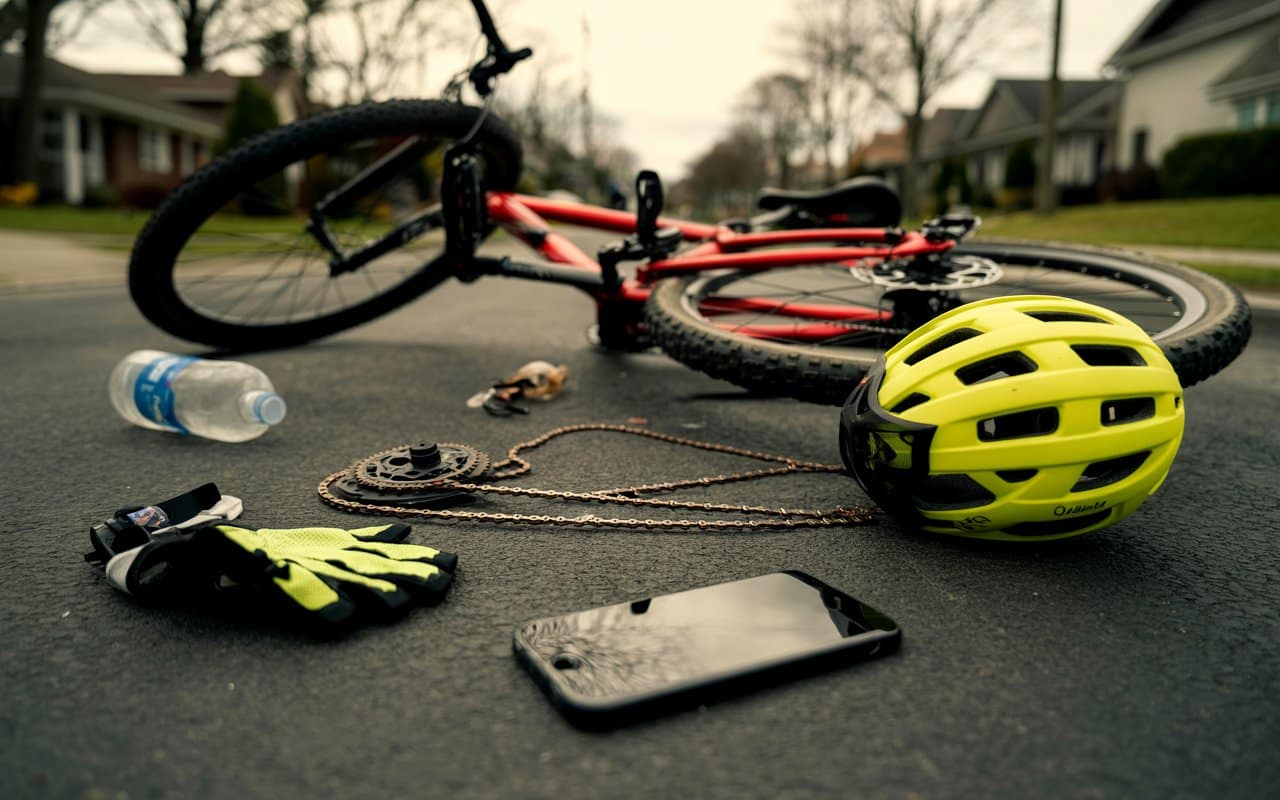
A serious bike crash scrambles your priorities fast. One minute you are thinking about your route, traffic, weather, or whether you can make the next light. The next, you are dealing with an ambulance, a damaged bike, a pounding shoulder, and a driver who may already be changing their story. In that moment, most cyclists are not thinking like claimants. They are thinking like injured people, which is exactly why the questions you ask in the days after the crash matter so much.
Denver riders face a mix of risks that make bicycle injury claims unusually fact specific. Busy downtown corridors, fast-moving suburban arterials, dooring incidents near parked cars, turning conflicts at intersections, winter road debris, and trail crossings all create different legal and insurance issues. A strong claim is rarely just about proving that a collision happened. It is about proving how it happened, why the driver was at fault, what your injuries have actually cost you, and whether the insurer is trying to minimize the claim before you even know the full medical picture.
That is where the right Bicycle Accident Lawyer Denver riders trust can make a measurable difference. Not simply by filing paperwork, but by asking better questions, preserving better evidence, and seeing problems before they grow expensive. If you are hiring counsel after a bicycle wreck, here are the questions worth asking, and why each one matters.
Do you actually handle bicycle accident cases, or just personal injury generally?
This is the first question because bicycle cases often look simple from the outside and become technical very quickly. Many injury lawyers can handle a car crash. Fewer understand the dynamics of a right hook at an intersection, how bike lane markings affect visibility arguments, or why a rider’s road position may have been lawful even if a driver claims the cyclist was “in the way.”
A lawyer who regularly represents injured cyclists will usually understand the common defense themes before they are raised. Drivers and insurers often argue that the cyclist was hard to see, moved unpredictably, failed to control speed, was outside the bike lane, was not wearing bright enough clothing, or should have anticipated the driver’s mistake. Some of these claims fall apart once someone examines the roadway design, timing of traffic signals, sight lines, and witness statements. Others require a more nuanced response.
Experience in bike-specific cases also matters when it comes to damages. Cyclists often suffer injuries that do not look dramatic in an emergency room chart but become serious over time. A wrist fracture can affect work and daily life for months. A shoulder injury may limit sleep, lifting, and range of motion far longer than expected. Head injuries can produce subtle cognitive symptoms that are easy for insurers to downplay. A lawyer who has seen these patterns before will know when a case is still medically developing and should not be rushed.
If the answer to this question is vague, pay attention. “We handle all injury matters” is not the same as “we regularly litigate bicycle crash claims and know how those cases are defended.”
How do you evaluate fault in a Denver bicycle crash?
A good answer here should sound specific, not generic. You want to hear how the lawyer would investigate your crash, not just broad assurances that they will “look into it.”
Fault in a bicycle collision can turn on details that disappear within days. Skid marks fade. Surveillance footage gets erased. A delivery driver’s route data may be overwritten. A witness who was certain on the day of the crash becomes less certain two months later. A police report can help, but it is not the final word, and sometimes it gets key details wrong.
Ask how the lawyer approaches evidence collection. In a strong bicycle case, that may include photos of the scene, helmet damage, bike damage, vehicle damage, body cam footage, 911 records, nearby business surveillance, traffic camera footage if available, witness interviews, event data from a vehicle, and your own ride data from a cycling computer or phone app. In some cases, roadway design and lane markings matter enough that scene measurements or expert analysis are worth considering.
Denver adds its own wrinkles. Intersections with protected lanes, shared use paths, and corridors with heavy rideshare traffic create recurring fact patterns. A lawyer familiar with local streets often recognizes those patterns immediately. That local judgment can shape the entire claim.
What if the driver says I caused the crash?
This is not a hypothetical concern. It happens all the time. Drivers are often embarrassed, defensive, or simply wrong about what they saw. Even when a driver clearly violated your right of way, they may say you “came out of nowhere.” Sometimes that story is deliberate. Sometimes it reflects how quickly bicycle collisions unfold. Either way, it can reduce settlement value if it is not answered properly.
Colorado uses a comparative fault system, which means your compensation can be reduced if you are found partly at fault. If your share of fault reaches a certain threshold, recovery may be barred. That makes this one of the most important conversations you can have with a lawyer early on.
A useful answer should address both law and strategy. The lawyer should be able to explain whether any of your conduct is likely to become an issue, such as lane position, lighting, speed, signaling, or helmet use, and whether those points are legally significant or merely rhetorical. There is a big difference between something an adjuster likes to mention and something that will actually persuade a jury.
This is also the place to ask for candor. You do not want a lawyer who says every case is perfect. You want one who can say, with professional confidence, “Here is where the defense will attack, here is what matters, and here is how we would address it.”
What evidence should I preserve right now?
This question is time sensitive. Some of the best evidence in a bicycle case lives in your garage, your phone, your text messages, and your body. Once it is repaired, discarded, overwritten, or explained away, you do not get a second chance.
A careful lawyer will usually tell you to preserve the bicycle in its post-crash condition if possible. Do not rush to repair or replace parts before they are documented. The same goes for your helmet, shoes, torn clothing, lights, cycling computer, and any bag or gear that took impact. Photos taken close in and from a distance can be useful. So can receipts for the bike and components, particularly if property damage becomes disputed.
Your medical timeline matters too. Keep records of where you went, what symptoms you reported, what limitations developed later, and how the injury disrupted https://gregorywack948.fairmontdigest.com/posts/can-a-denver-bicycle-accident-lawyer-help-if-the-driver-was-uninsured ordinary life. Cyclists often try to push through pain. That instinct can hurt a legal claim if the records later show delayed or inconsistent treatment. A lawyer cannot change the medical record after the fact, but a good one can explain why documentation matters while there is still time to do it right.
Here is a short preservation checklist that often helps in the first week after a crash:
- Keep the bicycle, helmet, and damaged gear in the same condition if you can.
- Save photos, ride data, texts, emails, and communications with insurers.
- Write down what you remember about the crash before details fade.
- Collect names and contact information for any witnesses.
- Follow up on medical care and report symptoms consistently and accurately.
That may sound basic, but small gaps become expensive disputes later.
How do you deal with the insurance company?
Many injured cyclists underestimate how quickly an insurance company starts building its defense. Adjusters are trained to gather statements, identify inconsistencies, and assign a value to the case before the full impact of the injury is known. They may be polite, efficient, and sympathetic. None of that changes their job.
Ask the lawyer whether they will handle all insurer communications once retained. That includes the driver’s liability carrier, your own auto insurer if you have relevant coverage, health insurance issues, and in some cases homeowners or umbrella policies. The practical benefit is immediate. You stop worrying about saying the wrong thing on a recorded call while still medicated, exhausted, or unsure of your prognosis.
Also ask how the lawyer values claims. Some cases are straightforward: a fracture, a course of treatment, missed work, and a clear liability picture. Others are much more difficult: lingering concussion symptoms, nerve pain, aggravation of a prior injury, or an active person whose losses do not fit neatly into wage records. A strong lawyer should be able to explain how they build damages using records, medical opinions, employment evidence, and your own before and after story.
If a lawyer talks only about settlement speed, be careful. Quick resolution is not always a win. A cyclist who settles before understanding future treatment needs can end up financing those costs alone.
Should I use my health insurance, MedPay, or uninsured motorist coverage?
This is one of those practical questions that separates legal advertising from actual case management. A crash claim is not just about fault. It is also about who pays what, when, and whether reimbursement claims later eat into the settlement.
Depending on the facts, several coverages may come into play. Your health insurance can help with immediate treatment. If you have auto insurance, you may have MedPay or uninsured or underinsured motorist coverage that applies even though you were on a bike, subject to the policy language and circumstances. If the driver fled the scene or carried little insurance, your own policy may become especially important.
An experienced Bicycle Accident Lawyer Denver clients hire should be ready to walk through these layers in plain English. You want to know whether using one source of payment creates a lien, how reimbursement works, and whether a settlement demand will account for those obligations. Medical bills are often where injured people make avoidable mistakes, either by ignoring them while waiting on the case or by assuming every bill will be reduced later. Sometimes reductions are possible. Sometimes they are not. The sooner you understand the landscape, the fewer ugly surprises you face at settlement.
What is my case likely worth, and what could change that number?
This question deserves a realistic answer, not a sales pitch. Early in a case, any precise dollar estimate is suspect. Too much depends on the medical course, fault allocation, insurance limits, and the quality of evidence. Still, a good lawyer should be able to explain the main value drivers.
Clear liability helps. So does prompt, well-documented treatment. Fractures, surgeries, scarring, permanent limitations, and wage loss often increase value, but context matters. A hand injury means something different to a software engineer than to a mechanic, a musician, or a surgeon. A cyclist with a high-end bike and serious training history may also present a stronger non-economic damages story if the injuries interfere with identity, routine, and physical freedom in a way that can be shown credibly.
Just as important, ask what can reduce value. Gaps in treatment, prior similar injuries, low policy limits, social media posts that contradict claimed limitations, and disputed fault all matter. So does likeability before a jury, though few lawyers mention it this bluntly. Cases are still decided by human beings. Presentation counts.
You should want a lawyer who can hold two truths at once: confidence in the claim, and honesty about risk.
Who will actually handle my case?
This question saves a lot of frustration. Some firms market aggressively, sign bicycle cases readily, and then route most client contact through case managers or junior staff. Support staff can be excellent and often keep a case moving. But you should know whether the lawyer you met will be the one making strategic decisions, reviewing the file, negotiating the demand, and preparing for suit if settlement fails.
Ask how often you will receive updates, who responds to medical billing issues, and how trial preparation works if the case gets that far. Litigation is not an abstract threat. Sometimes filing suit is what forces a serious evaluation. Sometimes it changes nothing except cost and delay. A seasoned lawyer should be able to explain when they push toward settlement and when they are willing to escalate.
If the answer sounds slippery, that is its own answer.
How do attorney fees, costs, and liens work in practice?
Most injury lawyers work on a contingency fee, but the details still matter. Ask what percentage applies before suit, after suit, and after appeal if that becomes necessary. Ask how case costs are handled, whether the firm advances them, and whether you owe those costs if there is no recovery. Those are not uncomfortable questions. They are responsible ones.
Then ask about liens and reimbursement claims. Even a solid settlement can feel disappointing if a client assumed the gross number was the take-home number. Medical providers, health insurers, government programs, and others may assert repayment rights depending on the circumstances. A good lawyer cannot promise every lien will vanish, but they should be prepared to identify likely claims and negotiate where appropriate.
This is one of the best moments to evaluate communication style. Clear lawyers tend to explain money clearly.
What happens if my injuries worsen months from now?
Cyclists often hear some version of “give it a few weeks” after a crash. Sometimes that is sound advice. Sometimes it delays the discovery of a more serious issue. Shoulder labrum tears, post-concussive symptoms, cervical injuries, and chronic pain patterns can evolve over time. The legal problem is that insurers love early snapshots. If your first records say “soreness, improving,” they may cling to that even after MRI findings or specialist opinions tell a different story.
Ask how the lawyer decides when a case is ready to resolve. The phrase many lawyers use is maximum medical improvement, but the real issue is simpler: do we understand the likely future well enough to value the claim responsibly? Settling too early transfers uncertainty from the insurer to you. Waiting too long can create other pressures, especially if bills are mounting. The best answer here usually reflects balance, not dogma.
A lawyer with good judgment will not treat every case like a marathon or a sprint. They will explain what information is still missing and why it matters.
What if the police report is wrong, or there was no report at all?
Cyclists put too much faith in police reports when the report helps them, and too little thought into correcting it when it hurts them. Officers usually arrive after the event, not during it. They may rely on the driver’s account, overlook a witness, misunderstand bicycle positioning, or leave out details that later prove important. None of that is fatal, but it can affect negotiations if it goes unchallenged.
Ask whether the lawyer has handled cases where the report was incomplete or unfavorable. A good answer should include independent investigation, witness development, scene evidence, and a willingness to challenge assumptions that creep into the file simply because they were written first.
No report at all is not ideal, but it is not the end of the case. Some strong claims proceed on witness testimony, photos, medical records, admissions by the driver, and circumstantial evidence. What matters is whether someone knows how to build that record.
What should I avoid doing while the claim is pending?
This is one of the most practical questions you can ask, and the answer often reveals how closely the lawyer has watched real cases rise or fall. You do not need a long lecture. You need sharp guidance.
Most of the danger comes from inconsistency. If you tell your doctor you cannot turn your neck, but post ride photos from the weekend, the defense notices. If you say your symptoms began immediately but waited months to seek care, the defense notices that too. If you repair the bike before it is documented, a property damage dispute becomes harder. If you return to full work, training, or travel too quickly, you may have perfectly good reasons, but the insurer will use that conduct to argue recovery was quick and complete.
A concise discussion usually covers these points:
- Be careful with social media, especially photos and casual updates about activity.
- Do not give recorded statements without legal advice.
- Follow medical recommendations and report symptoms honestly.
- Avoid repairing or discarding key physical evidence too soon.
- Do not assume a friendly adjuster is evaluating the case generously.
Most legal damage control is really consistency control.
The right questions do more than screen a lawyer
When cyclists are hurt, they often focus on credentials, verdict numbers, or reviews. Those things can help, but they do not tell you how a lawyer thinks. Questions do. The right questions force specificity. They reveal whether the lawyer understands bicycle cases, whether they can explain risk without hedging, and whether they are preparing to build your claim or simply process it.
A bicycle injury case in Denver is rarely just a paperwork exercise. It sits at the intersection of traffic law, insurance strategy, medical timing, and practical evidence preservation. The lawyer you hire should be able to move comfortably through all four. They should understand why a painted lane matters in one crash and not in another. They should know when a low-speed impact can still produce a significant concussion. They should recognize that a destroyed carbon frame may be important evidence, not just an expensive inconvenience. And they should have the discipline to say “not yet” when an insurer tries to settle before the picture is clear.
If you are looking for a Bicycle Accident Lawyer Denver cyclists can trust, ask direct questions and listen for direct answers. Not polished slogans. Not broad assurances. Real answers, rooted in experience, that show the lawyer sees the claim the way a cyclist lives it, with all the practical detail that follows a hard crash. That is usually where the best representation starts.